A piano is the heaviest thing most households will ever move, and the part that goes wrong is almost never the lifting. It is a doorway nobody measured, a staircase with a turn in it, or casters used to drag 250 kg across a tiled floor. We move uprights and grands across Peninsular Malaysia, and we walk the route first.
A piano move is mostly planning. The carrying part is over in minutes. What takes the time, and what protects the instrument and your walls, is everything that happens before it leaves the wall.
1
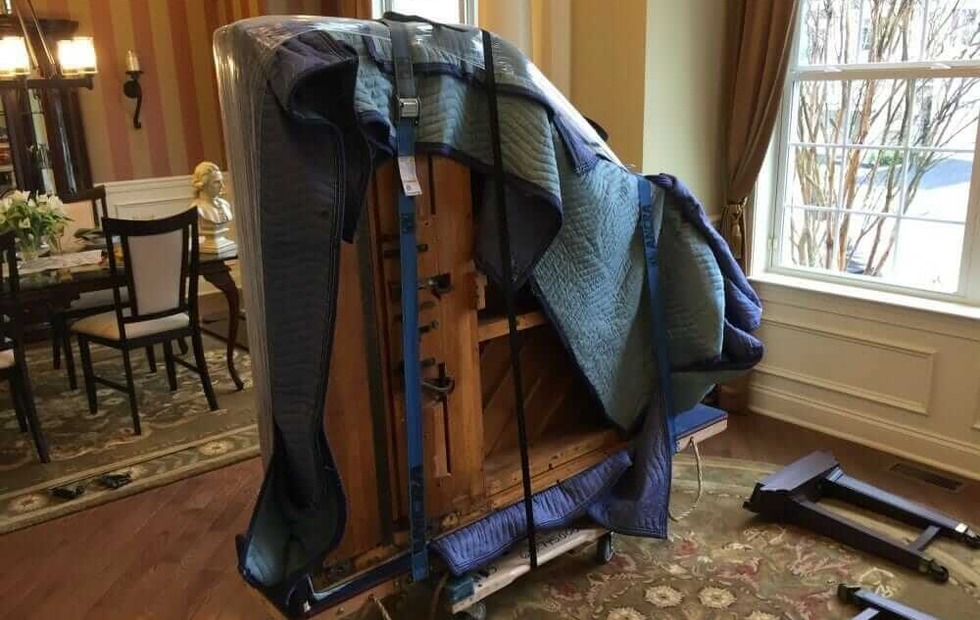
Before anything is touched we walk the whole route both ends, measure the tightest point and agree where the piano is going to stand. Surprises happen on moves where nobody did this.
2
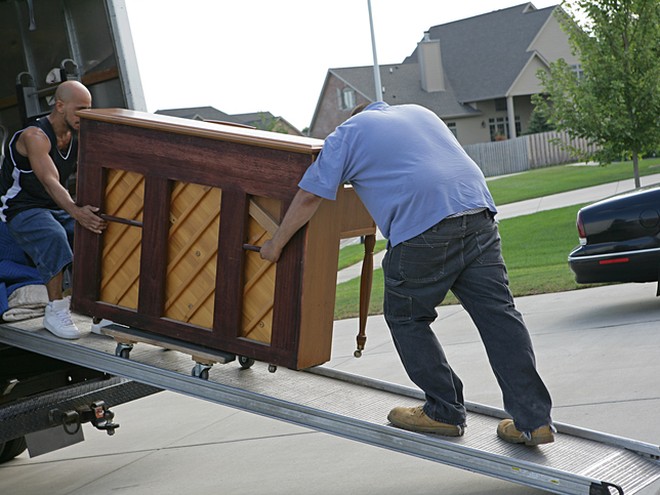
Lid locked, pedals protected, case blanketed and strapped. Uprights go onto a skid. Grands come off their legs and travel on their side on a board, which is the only correct way to move one.
3
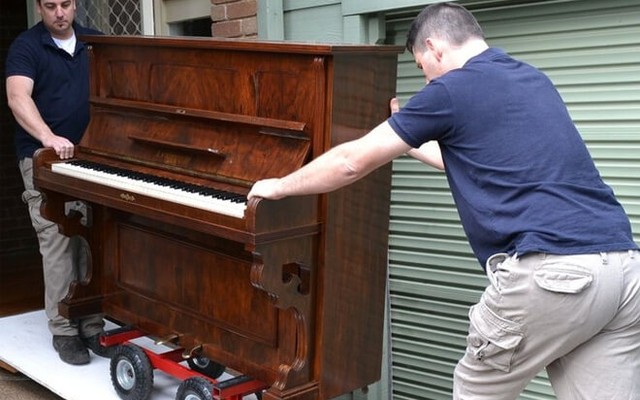
Stairs are taken tread by tread with men above and below. Nothing is ever pivoted on a caster, because casters are for positioning a piano in a room, not for carrying its weight anywhere.
4
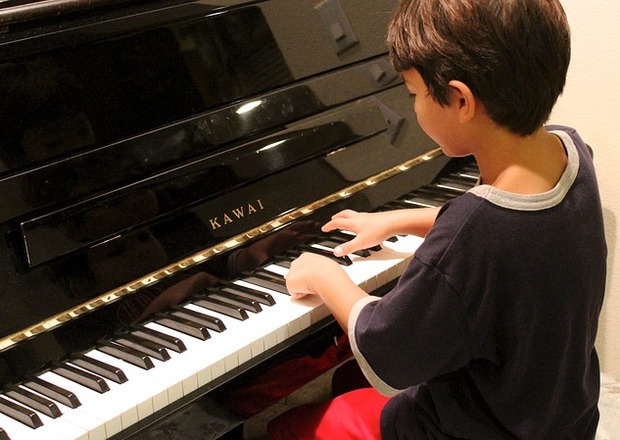
We put it where it should live rather than where it fits, which in Malaysia means an inside wall, out of direct sun and away from an air conditioner blowing straight at the case.
Weight matters less than people expect. Access matters far more. These are what we ask about, and they are what you should photograph before asking anyone for a price.
There are cheaper ways to get a piano across town. There are not many where the people carrying it also rebuilt one that week and will be back to tune yours in a fortnight.
The men who arrive work for Sunwave Piano. General removal crews move pianos a few times a year. Ours do it constantly, and it shows in how they handle a turn on a half landing.
We ask for photographs of the tightest point and we walk it on the day before anything is touched. Almost every piano damaged in a move was damaged because nobody did this.
A grand travels on its side on a board with the legs and lyre off, and goes back together at the other end as part of the job. A crew that lifts a grand on its legs is guessing.
Four messages and you have a real answer. No site visit is needed to quote most moves, because photographs of the route tell us more than a walk-through would.
Make and model if you have it, the floor at both ends, whether there is a service lift, and a photograph of the tightest point.
The price comes from the stairs, the turns and the weight rather than the distance, so we quote once we can see them.
Route measured both ends and the final position agreed before the piano leaves the wall.
Give the instrument a fortnight in the new room, then have it tuned. We will be the ones who come back.
The van is based in Petaling Jaya, so the whole of the Klang Valley is a normal day's work. These are the areas we are in most weeks, and the list is not exhaustive.
Our piano shop is at Tropicana City Mall in Petaling Jaya, so most of Kuala Lumpur and Selangor is inside an hour of a van. We do travel further for the right job, and delivery on a piano bought from us is free anywhere in Peninsular Malaysia. Staircase carries are quoted separately, because the cost comes from the steps and the turns rather than the distance.
Weight is what a staircase actually cares about, and weight comes from height. The four height classes and what each one weighs.
Regular tuning for instruments that are close to pitch, and pitch raises for the ones that have sat unplayed for years and dropped well below A440.
Sticking keys, dead notes, broken hammer shanks, worn centre pins and pedals that no longer bite. Most of it is action work, and most of it is fixable.
Full rebuilds. Strings, dampers, hammers and action through to case refinishing. The same work we do on our own stock before it reaches the floor.
Rent a restored Japanese upright by the month, take one for a few weeks around an exam, or have a piano delivered and collected for a single event. Delivered, positioned and tuned by our own crew.
Every Yamaha and Kawai we sell has been through the workshop twice before it reaches the floor. Free delivery, a bench, two tunings and a five-year warranty are in the price.
Two to four, depending on the weight and the route. A 200 kg compact upright on a flat ground floor is a two-man job. A 260 kg full-height instrument going up a staircase with a turn in it is four, and we would rather send four than drop one.
Usually, and it is the single most common question we get. What decides it is the width of the narrowest point, the turns, and whether the treads can take the concentrated load. Send photographs of the staircase and the landing and we will tell you honestly.
Yes. Most of the moves we do are instruments that came from somebody else, including pianos that have already been in a Malaysian home for thirty years.
Plan on it. The move itself does not knock a piano out of tune as much as people think, but the change in room, humidity and wall matters. Let it settle for a couple of weeks in the new spot, then tune it.
The make and model if you have it, the floor it is on now and the floor it is going to, whether there is a service lift, and photographs of the tightest point on the route. Those four answers cover almost every move.
The make and model, which floor it leaves, which floor it arrives on, and a photograph of the tightest point. That is everything we need to tell you what the move takes.