The K-5 is 125 cm, six or so centimetres above the common size, and you hear it in the left hand.
Room, floor, lift. Three answers and we can tell you if this is the right piano before you come in.
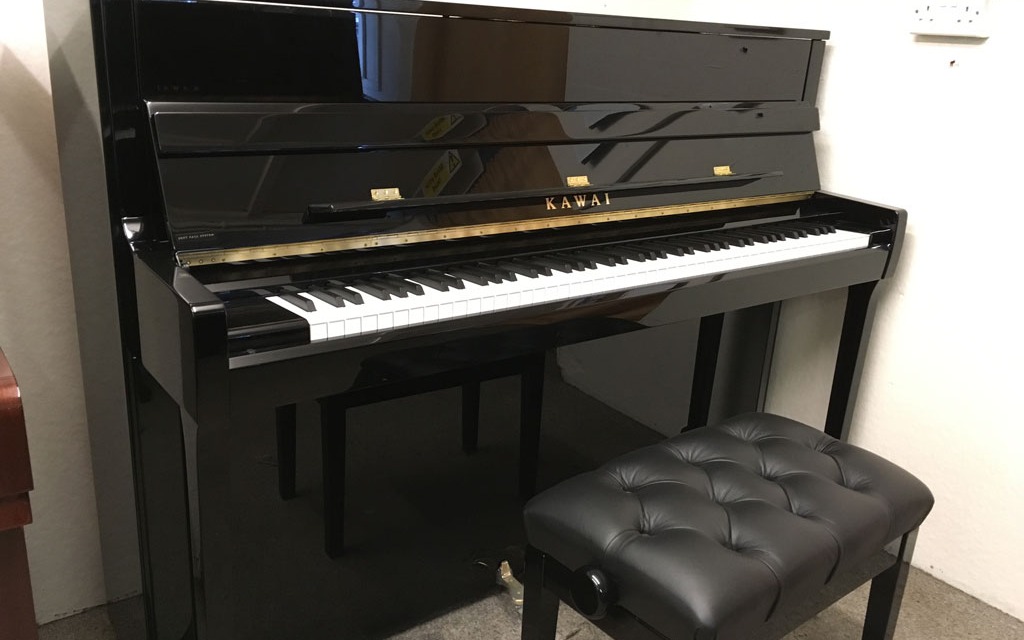
Kawai
In the price, not added at the end.
Both sides of it. If the right-hand column sounds like your situation, say so and we will point you elsewhere.
Fuller in the bass than a starter piano without turning into a big instrument. That balance is the whole reason this size exists. Same case as the Kawai No. K20, 23 kg heavier.
Set against the Kawai No. K35, the most commonly sold used Kawai here, it is 7 cm shorter and 3 kg heavier. Middling for weight in a range that spans 160 kg to 270 kg.
Kawai voicing runs warmer than Yamaha at the same size, particularly up top. People who practise for hours tend to prefer it. There is no right answer here. Both are on the floor, so try them back to back.
223 kg is normal for this size. Access matters more than the number does. At 59 cm front to back it is one of the shallower cases in the range, which is worth knowing if the hallway it has to pass through is narrow.
Kawai built several at 125 cm tall: the No. K20, No. KS2, BL-31, BS-2A and 11 others. They differ in weight and case rather than in size. If the K-5 is not on the floor when you ask, the table below is where we would send you next.
| Model | Height | Weight | Width |
|---|---|---|---|
| Kawai K-5 This model | 125 cm | 223 kg | 153 cm |
| Kawai BS-20 | 125 cm | 220 kg | 153 cm |
| Kawai BS-25 | 125 cm | 220 kg | 153 cm |
| Kawai KU-2 | 125 cm | 220 kg | 152 cm |
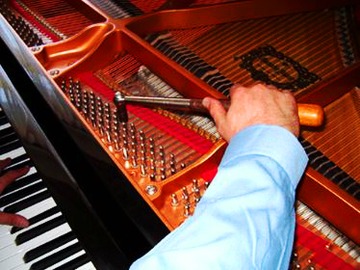
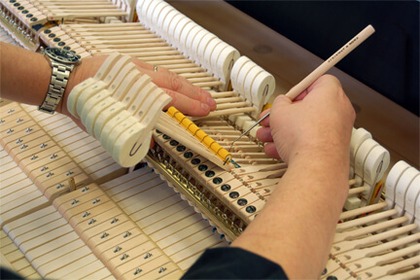
The risk with any used piano is buying somebody else's problem: polished case, fine for a month, then it will not hold a tuning. Ours are rebuilt twice before you see them, once in Japan and again in our own workshop here, and the second pass happens after the instrument has crossed the equator and shown us how it reacts to this climate.
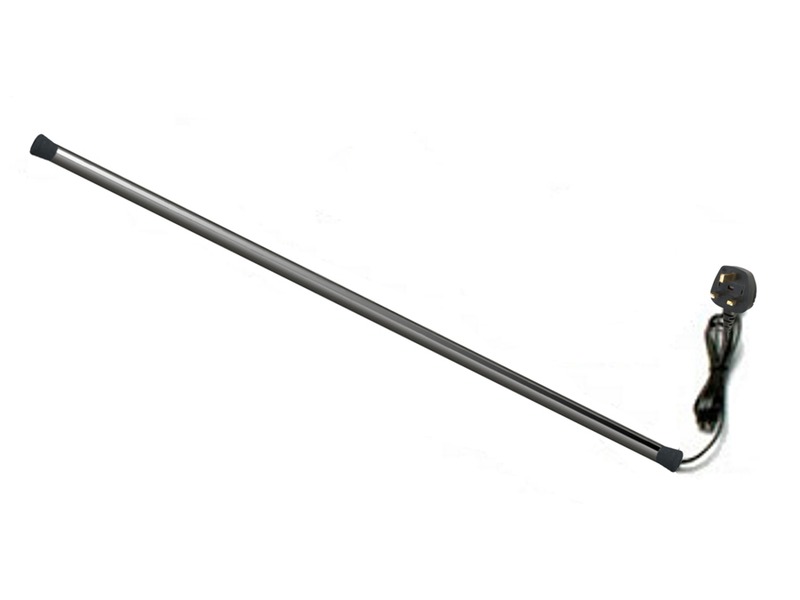
Humidity decides how a piano ages here. These were built for a climate with a winter, and in Malaysia the soundboard takes up moisture and gives it back, week after week. That movement pulls a piano out of tune, not playing it.
Renting first is the low-risk way in. Nothing you pay is wasted, because it counts toward buying the piano later.
The first generation of Kawai uprights, and the line the later series grew out of. Many left the factory with two pedals and have had a third fitted during restoration.
125 cm tall, 153 cm wide, 59 cm deep, and about 223 kg. Height sets the tone, weight sets what delivery day looks like.
You need about 1.6 m of wall and roughly 1.0 m². 223 kg is normal for this size. Access matters more than the number does. Give us the measurements and the access and we will be straight about whether it works.
The risk with any used piano is buying somebody else's problem: polished case, fine for a month, then it will not hold a tuning. Ours are rebuilt twice before you see them, once in Japan and again in our own workshop here, and the second pass happens after the instrument has crossed the equator and shown us how it reacts to this climate. Five years of parts and labour cover comes with it, from the same people who rebuilt it.
Rent-to-own runs on a separate pool that changes weekly, so we cannot promise a K-5 specifically. Ask what is free now. The rent turns into credit the moment you decide to buy it.
Ask, because it changes week to week. If we do not have one, we will say so and tell you what is close on size and weight.
Twice a year. Humidity decides how a piano ages here. These were built for a climate with a winter, and in Malaysia the soundboard takes up moisture and gives it back, week after week. That movement pulls a piano out of tune, not playing it. Two tunings after delivery are included when you buy from us.
One message and we will tell you what we have, what it costs, and whether the K-5 is really the right size for your room.