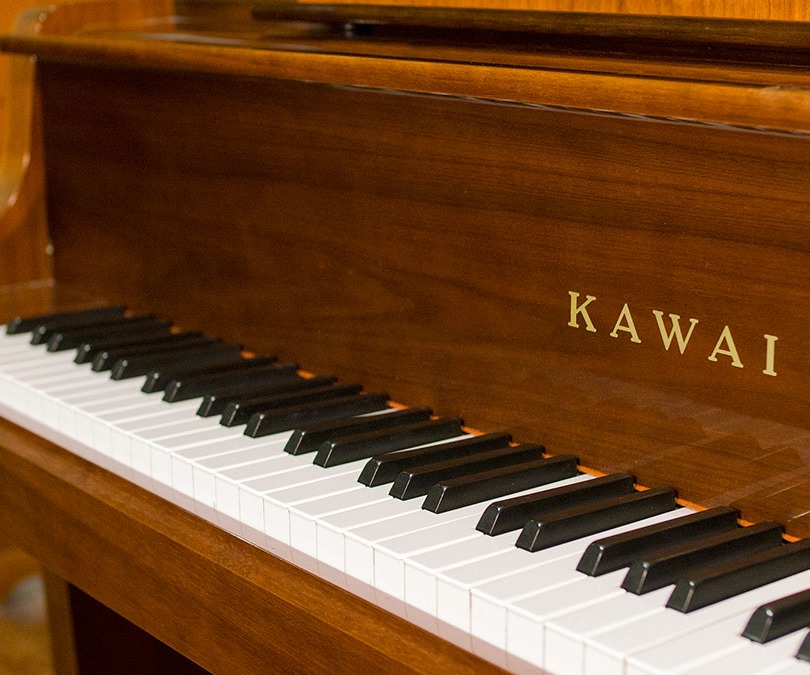
 Uprights
Kawai Upright Piano For Sale
The bulk of what we sell. Wall-standing, 121 cm to 132 cm tall, and the practical choice for a home, a studio or a school room.
See Kawai uprightsKawai is the quieter recommendation, and often the right one. The tone is warmer and rounder than a Yamaha at the same height, which suits players who practise for hours and find a bright treble tiring. Several models also come in lighter, which decides more purchases than anyone expects.
Start with the shape of the instrument, because that decides the room before it decides the tone. Almost every home we deliver to takes an upright. A grand needs floor area rather than wall space, and that is the first question to settle.
Uprights
The bulk of what we sell. Wall-standing, 121 cm to 132 cm tall, and the practical choice for a home, a studio or a school room.
See Kawai uprights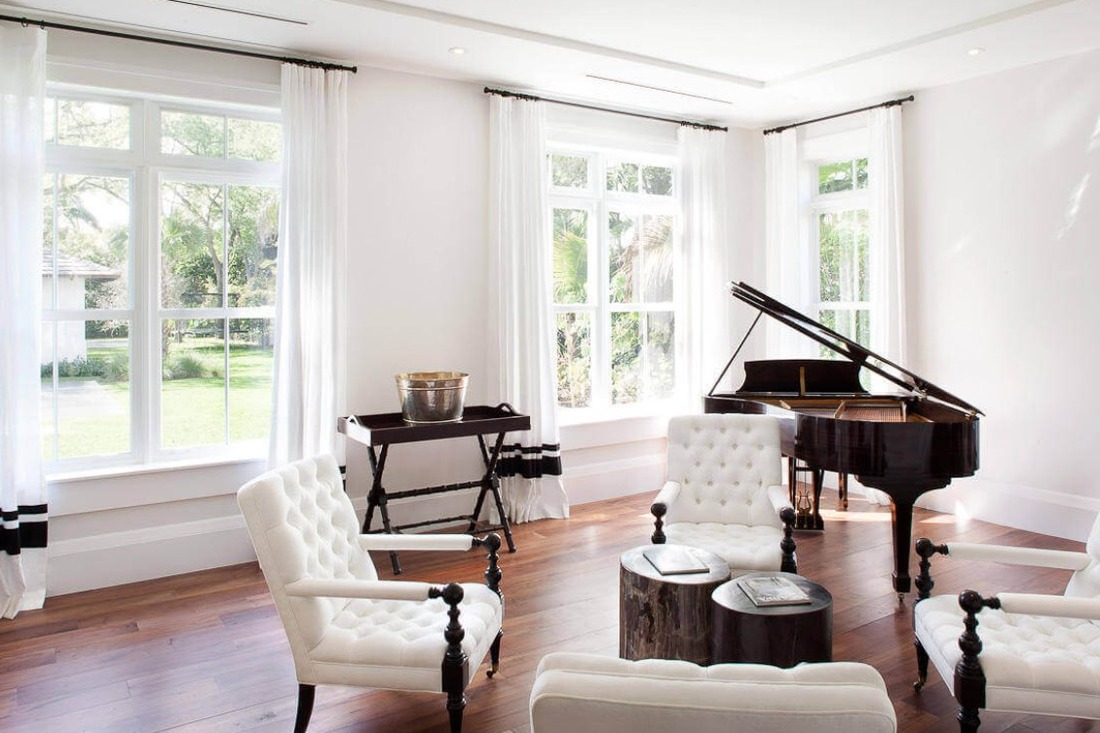 Grands
Horizontal action, longer strings and a room that can take the footprint. Grand stock moves quickly and changes, so ask us what is available.
See Kawai grandsKawai runs its uprights across the BL, BS and K series. The letters mark the line and roughly the era, while the number tracks the size: a BL-31 at 125 cm is a mid-height instrument, a K35 at 132 cm is full height. Kawai came out of Japan in smaller numbers than Yamaha, so stock is thinner and a specific model can take time to find. If you want one in particular, tell us and we will watch for it.
Stock changes week to week. These are the Kawai models that come through the workshop most, so we know their quirks. Ask before you travel and we will tell you exactly what is standing on the floor.
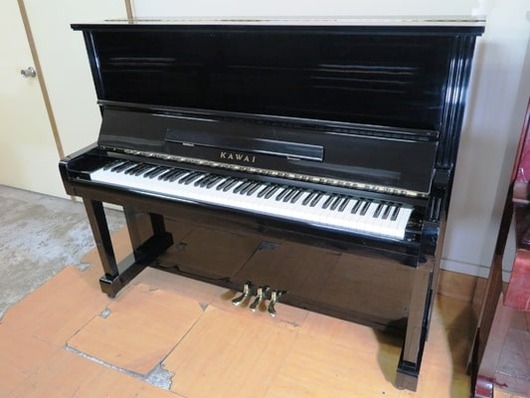
The lightest upright we stock. The honest answer when the piano has to go up a staircase.
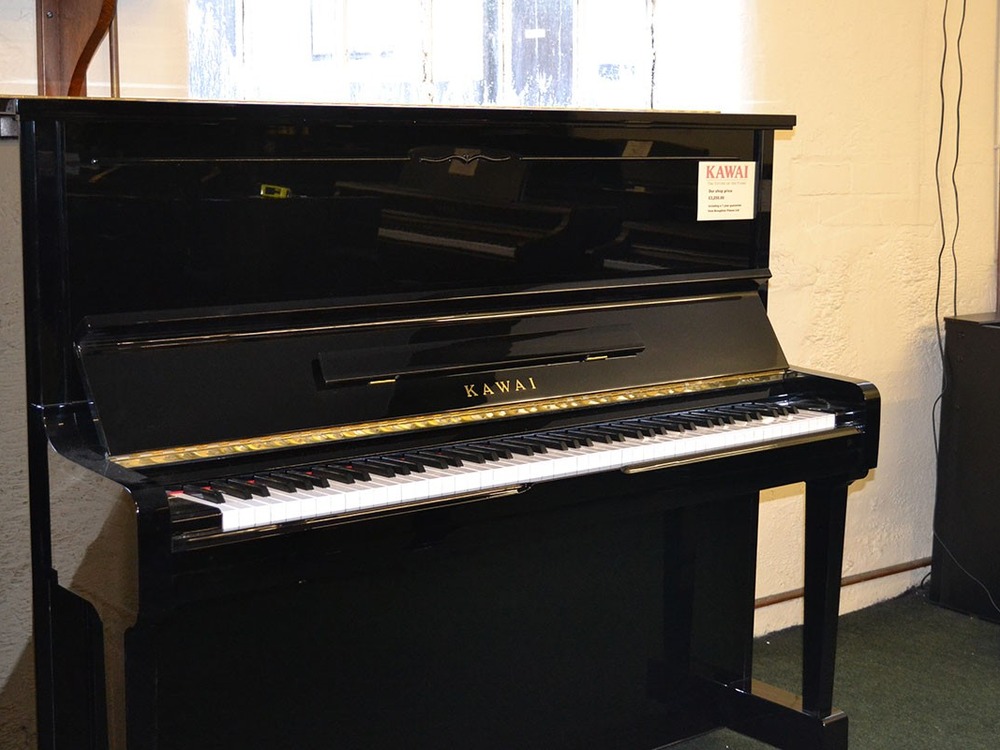
Shallower front to back than most, which helps in a narrow hallway.
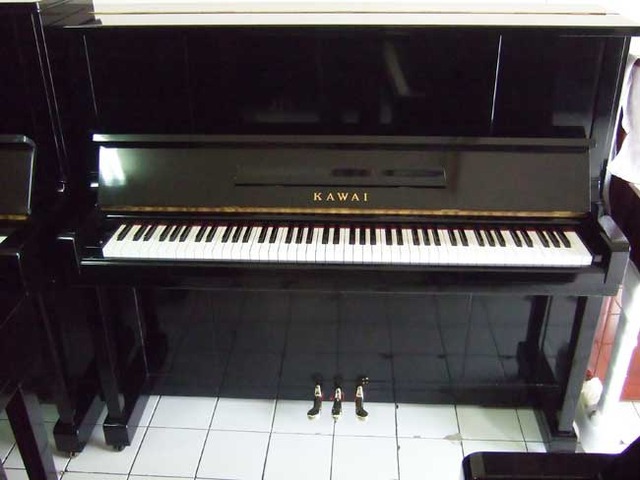
Same weight class as the BL-31, with the later K-series action.
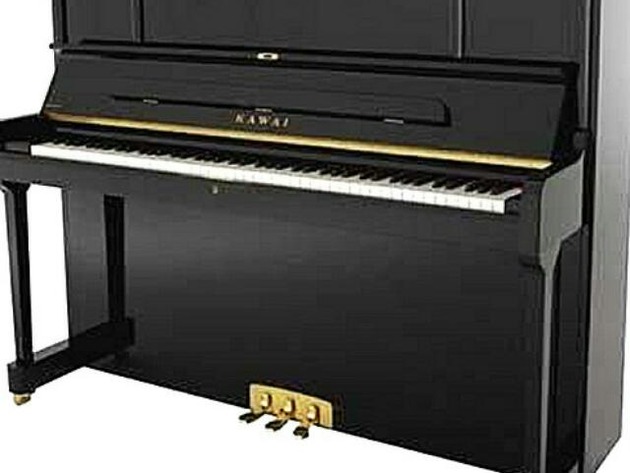
Full height at a moving weight closer to a U1H. Warmer than the Yamahas.
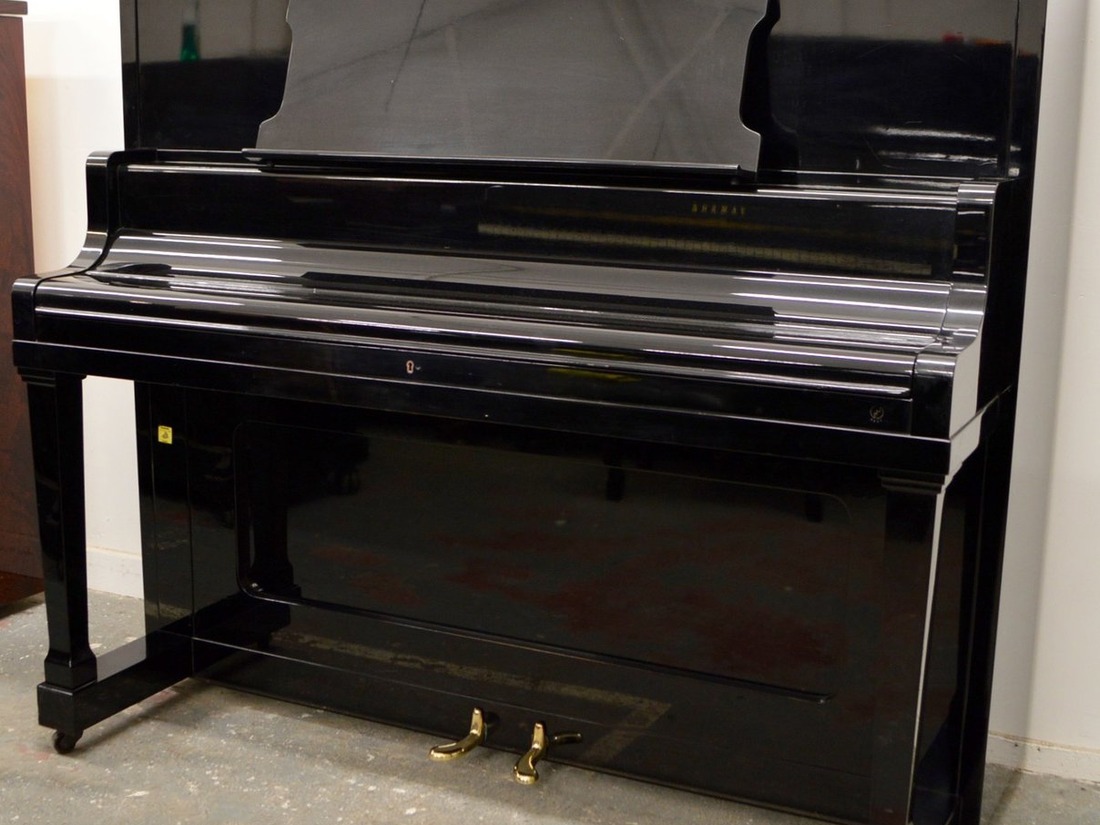
The heaviest upright we handle. Serious tone, and a serious moving job.
Eighty nine Kawai models, each with its own page. Kawai built more separate lines than Yamaha, so the range reads as more confusing than it is. Height and weight matter more than the letters. Pick a type below or search the number.
The K, BL, BS, KU, KS-F, KST, NS, US, CL, CX, M and OP lines, plus the AT silent hybrids. Kawai ran more separate lines than Yamaha and sold most of them only in Japan. Open the Kawai uprights page.
The first generation of Kawai uprights, and the line the later series grew out of. Many left the factory with two pedals and have had a third fitted during restoration.
The line that succeeded the original K series and the most successful run in Kawai's history. BL numbers climb with height.
A shallow-cased run from the same period as the BL line. The reduced depth is the point when a hallway is tight.
Kawai's long-running domestic line for the Japanese market, which is why so many reach Malaysia. B and D suffixes mark later revisions, not different sizes.
A later domestic line with the F suffix. Heights step in tight increments, so there is usually one that matches an awkward wall.
Compact console-height instruments at 115 cm, built for smaller Japanese rooms and a natural fit for an apartment here.
A domestic line sitting between the BL and US runs. Sensible heights and conventional cases.
Kawai's professional line, and the heaviest uprights they built for homes and institutions. Long strings and weights that need planning.
Slim-cased uprights with a shallower depth than the rest of the range.
Low console models at 112 cm, several in wood grain rather than polished ebony.
A domestic model in the common 125 cm class, conventional in case and action.
Acoustic pianos fitted with Kawai's silent system, so the action can be muted and played through headphones.
The KG and RX lines, the GS and CA institution grands, and the hand-built Shigeru at the top. Smaller numbers again, so ask before you plan a room. Open the Kawai grands page.
Kawai's long-running grand line. The number tracks length: a KG-1 is 164 cm, a KG-8 is a 276 cm concert instrument.
The line that replaced the KG series, with a redesigned action and a stiffer rim.
Studio and conservatory grands built for institutions, which is where most of them spent their working life.
Acoustic pianos fitted with Kawai's silent system, so the action can be muted and played through headphones.
Kawai's earlier grand numbering. Many are two-pedal instruments from the domestic Japanese market.
Kawai's hand-built flagship line, made in small numbers and voiced individually. Rare on the used market anywhere.
No model with that number is on our list. Send us the name from the fallboard and the serial number and we will tell you what it is. Ask on WhatsApp.
Both are Japanese, both are rebuilt in our workshop, and they suit different players. The used piano hub sets the two side by side.
Free delivery across Peninsular Malaysia, two tunings after delivery, accessories worth over RM500 and a five-year warranty on parts and labour.
Kawai is generally warmer and rounder in the top end, Yamaha is brighter and quicker. Neither is better. Players who find a bright treble tiring over a long practice session usually prefer the Kawai, and players preparing for exams often want the Yamaha response.
The BL-31 at around 200 kg, with the K20 in the same weight class. When there is no service lift and the piano has to go up a staircase, those are usually the honest recommendation over a 260 kg K48.
Different series built across different decades. BL and BS are the earlier lines, K is the later one. In practice the number matters more than the letters: a K35 at 132 cm is a full-height instrument, a BL-31 at 125 cm is not.
Less often. Yamaha was made and exported in far greater numbers, so more of them come out of Japan. If you specifically want a Kawai, tell us and we will watch for it rather than talk you into something else.
Tell us which Kawai you want to hear and we will have it tuned and open when you walk into the shop at 3 Damansara Shopping Mall.